An open workbench for reactor design
Bring reactor physics, heat transfer, shielding and fusion studies into one workspace.
A reactor study often moves between several kinds of analysis. The KSLP workbench is designed to keep those steps together, from the core calculation to the plant-level questions it informs.
Teams can connect simulators and data around a shared study, then extend the workflow as their questions change. Each area runs on calibrated physics models.
Reactor physics
Neutron behaviour in the core and how the fuel changes as it burns.
Reactor physics sits at the start of most studies. It describes where fission happens in the core and how that picture evolves over the life of the fuel, and its results feed every other part of the workbench.
Thermal and fluids
How heat leaves the fuel, from a whole-loop view down to 3-D flow in a single channel.
Thermal and fluid studies follow the heat from the fuel to the plant. They range from quick system-level estimates to detailed flow calculations, so a study can grow in detail as a design matures.
Radiation and shielding
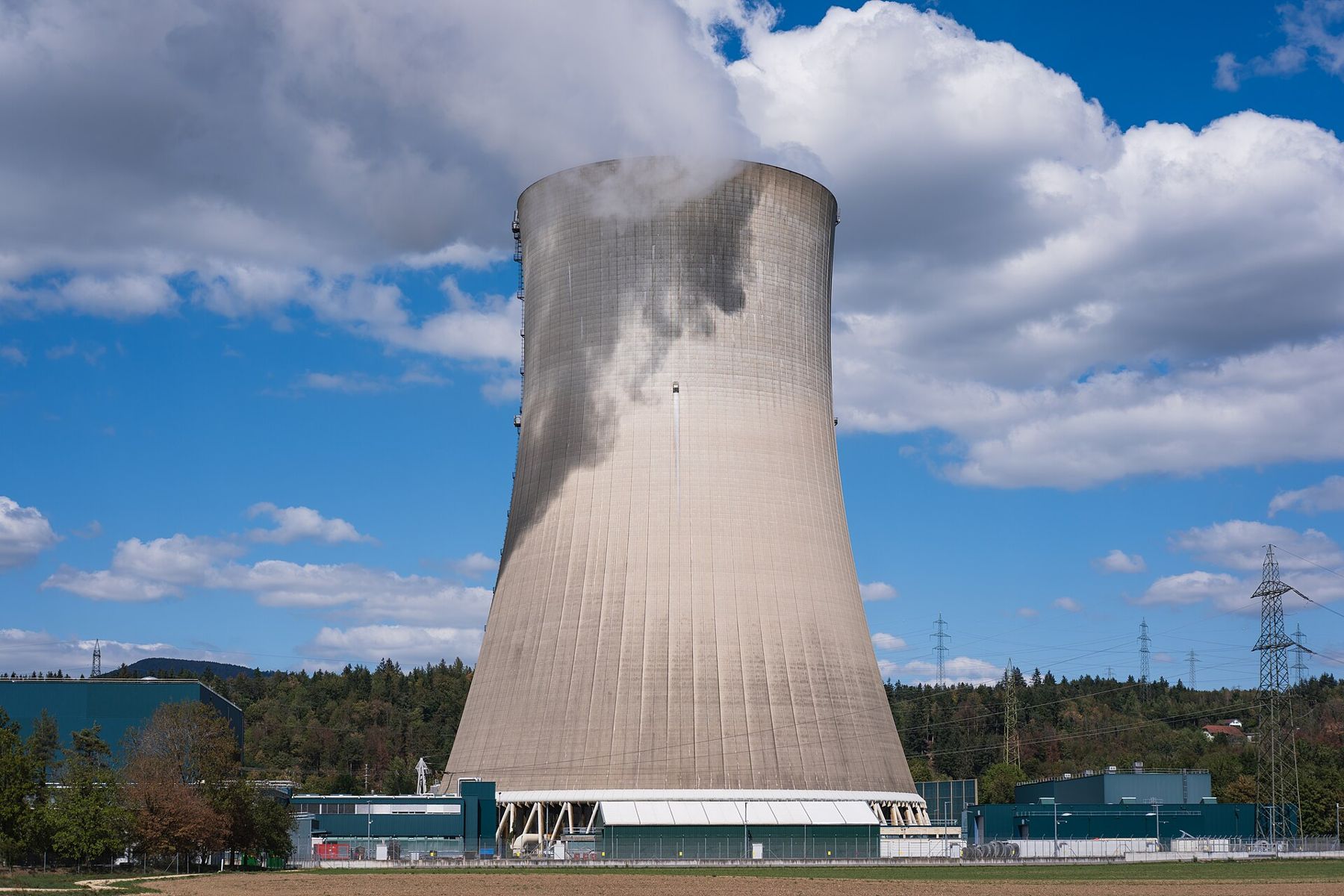
How much radiation gets through, and how much shielding a design needs.
Shielding studies estimate the radiation around a reactor and help size the protection it needs, using the source information produced by the core calculation.
Fusion
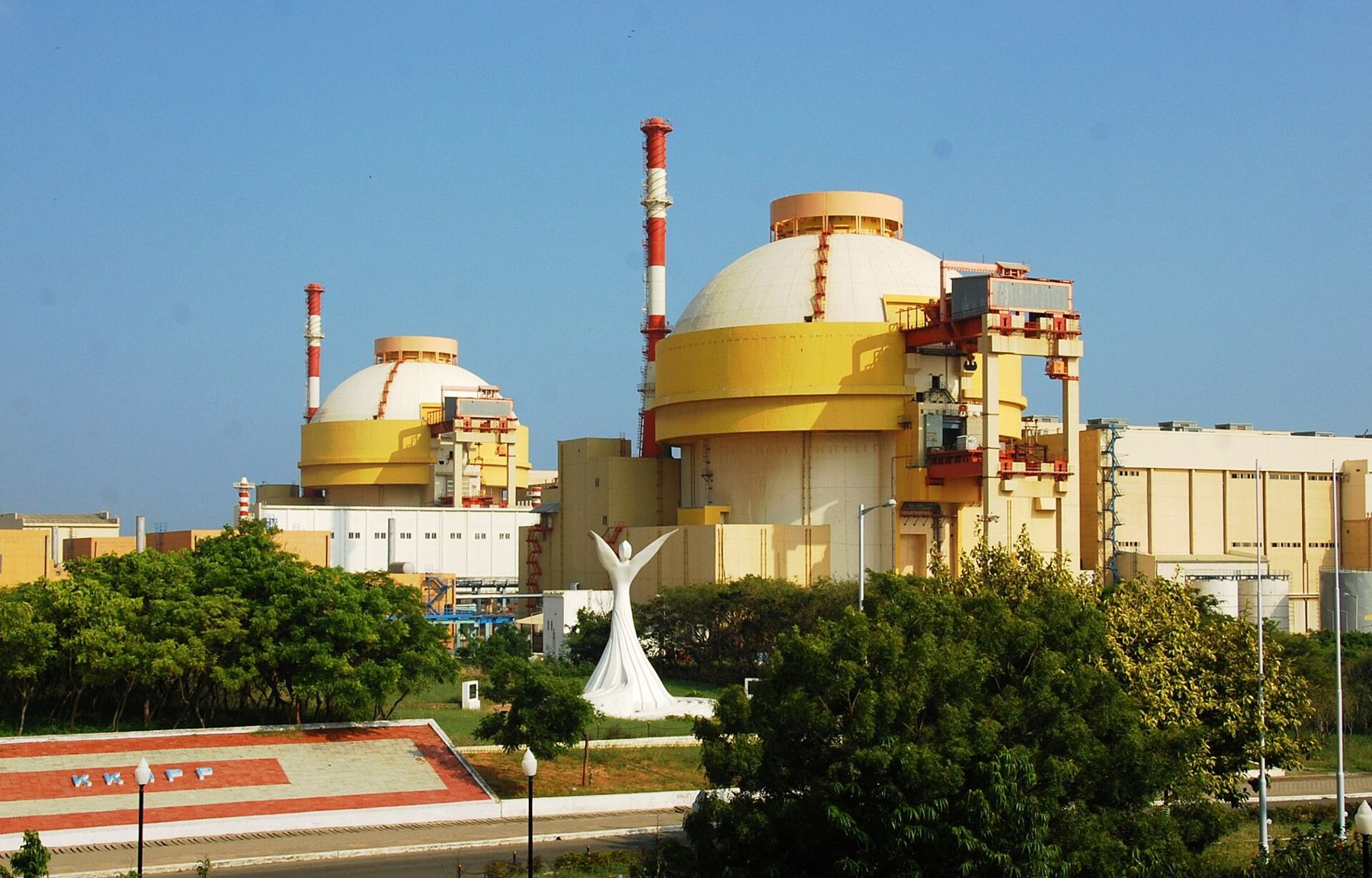
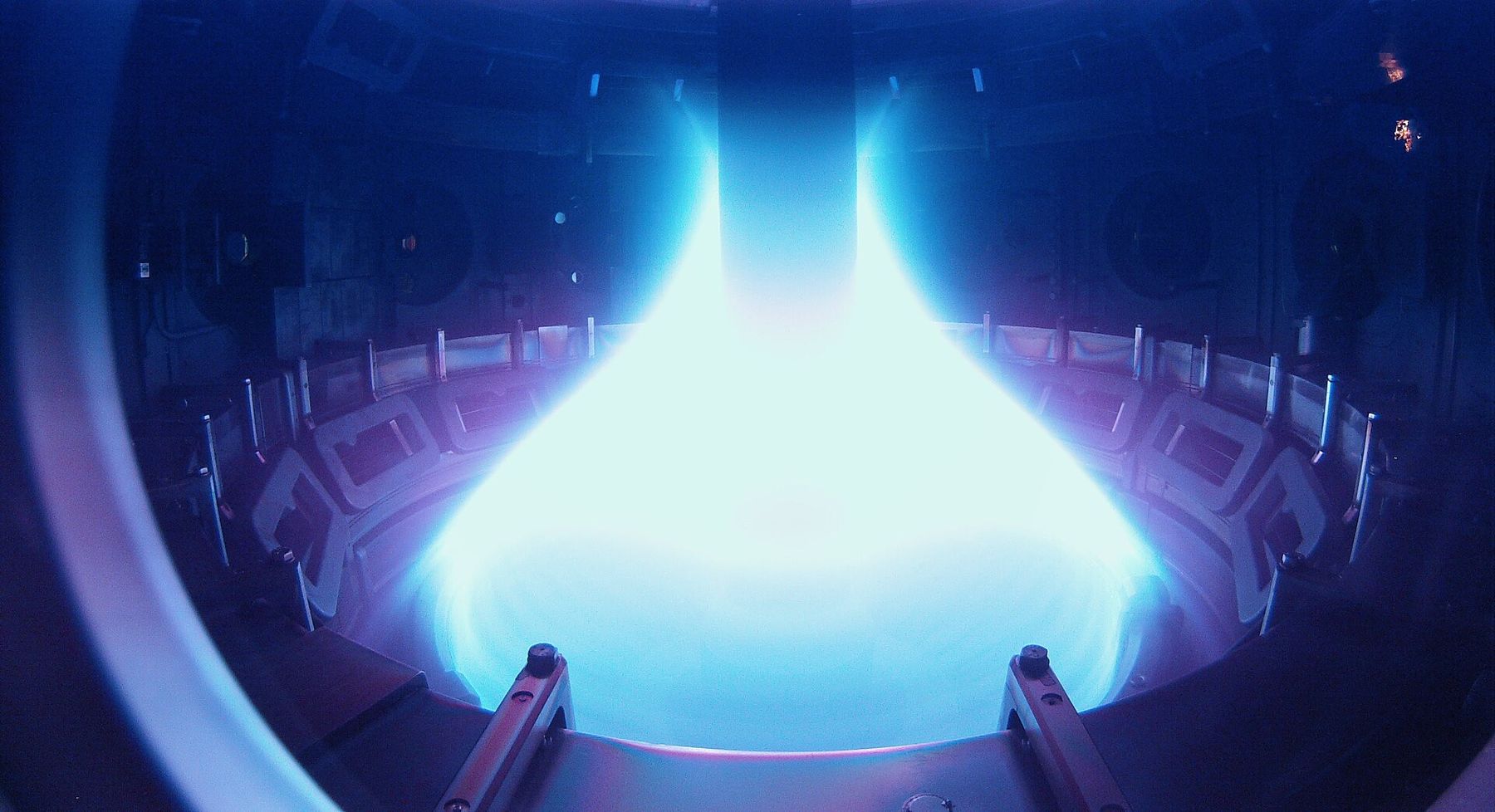
Early concept studies for tokamaks: the plasma, the magnets that hold it and the blanket around it.
Fusion studies sit alongside the fission tools, so teams working on tokamak concepts can use the same workbench and the same way of organising their work.
Design exploration
Many variants of a design run automatically, so you can see which choices matter most.
Design exploration ties the other areas together. It helps teams look across many options at once and focus on the choices that matter most.