Who the workbench is for
Different teams bring different design questions. Explore a few of the problems these tools can help investigate.
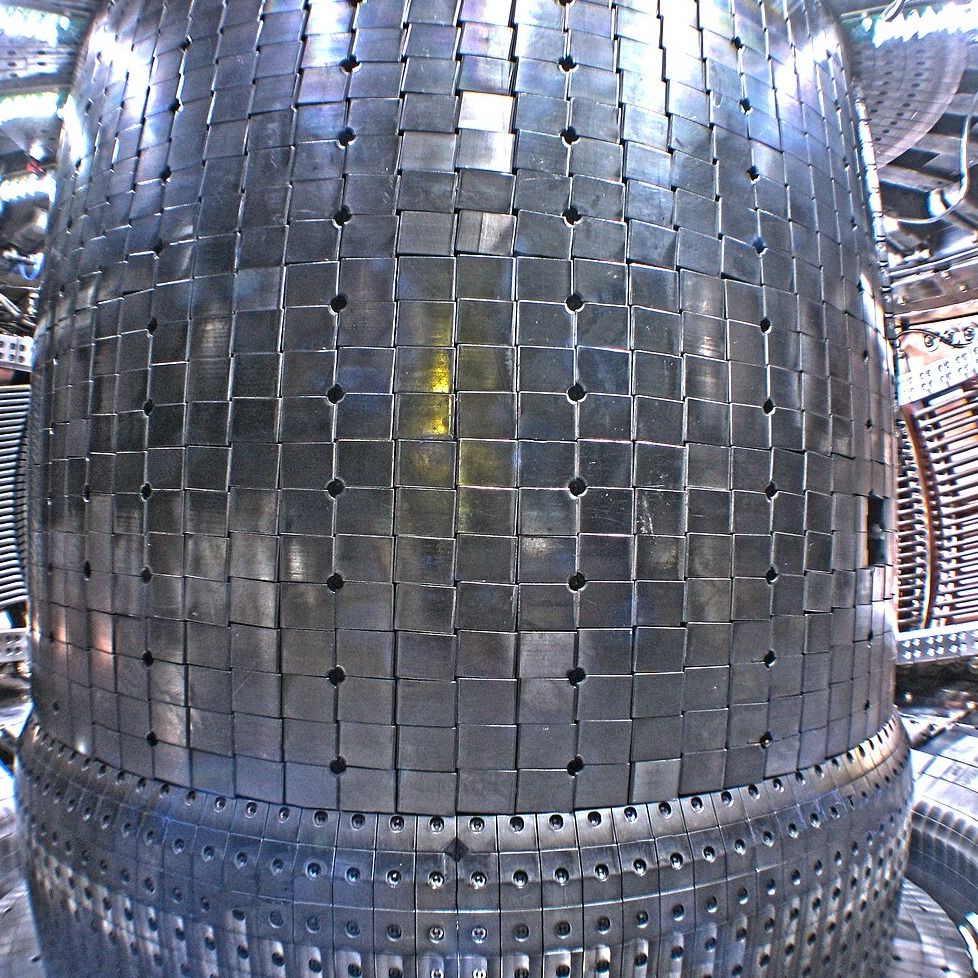
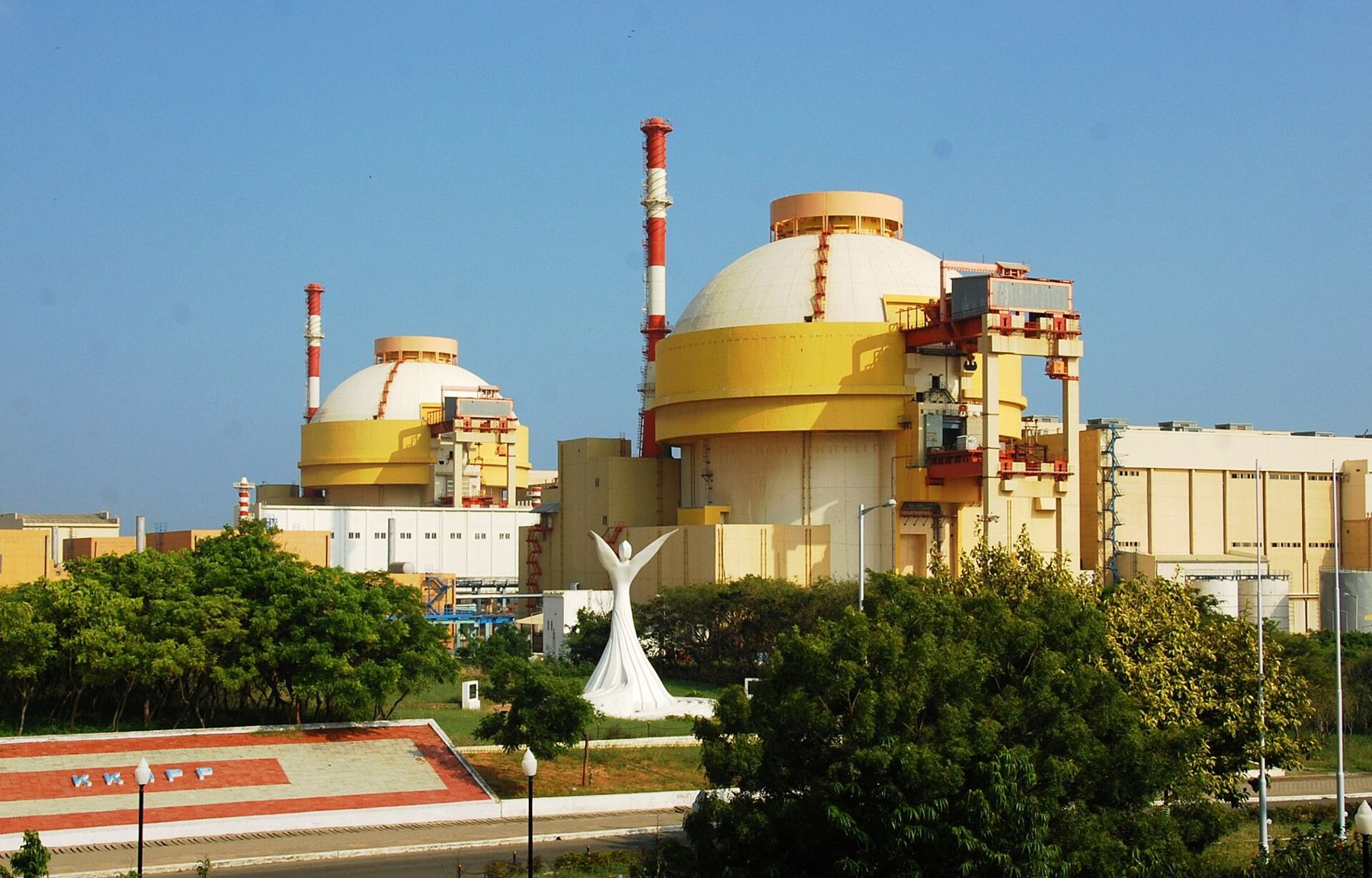
Power utilities
Engineers responsible for fuel, core and radiation protection at operating and planned plants.
For an operating plant, most decisions concern change: a new fuel design, a revised loading pattern, a power uprate or an extended operating cycle. Simulation lets a utility test each change against its margins on peak power, fuel temperature and shielding before it reaches the plant, and compare alternatives on equal terms.
Advanced reactor developers
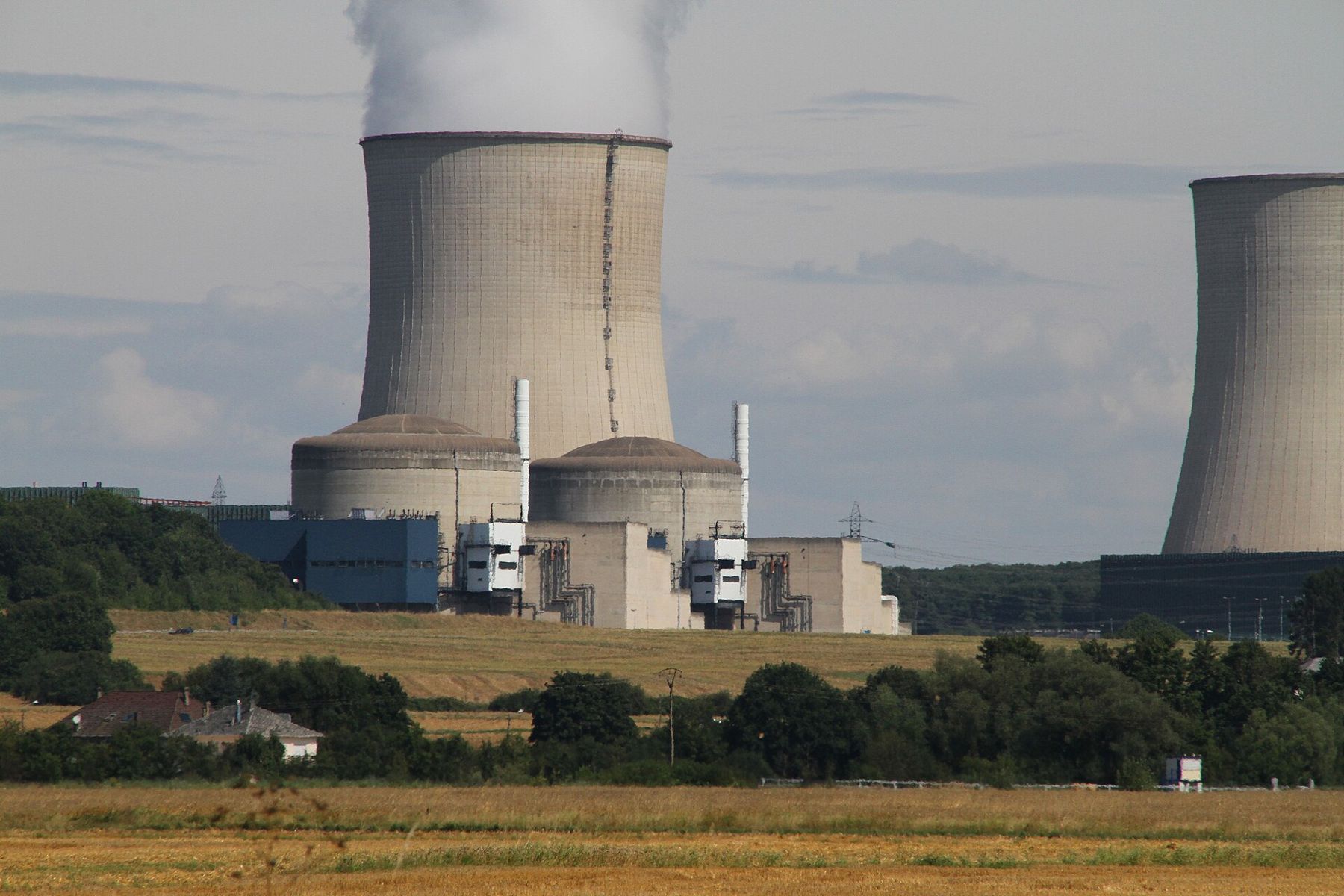
Teams designing small modular, high-temperature gas-cooled and salt-cooled reactors.
New reactor concepts arrive with little operating history, so early design choices carry great weight. Simulation lets a development team compare fuels, coolants and core layouts quickly, follow how a design behaves if forced cooling stops, and narrow a wide field of options to the few worth taking to detailed engineering.
Fusion developers
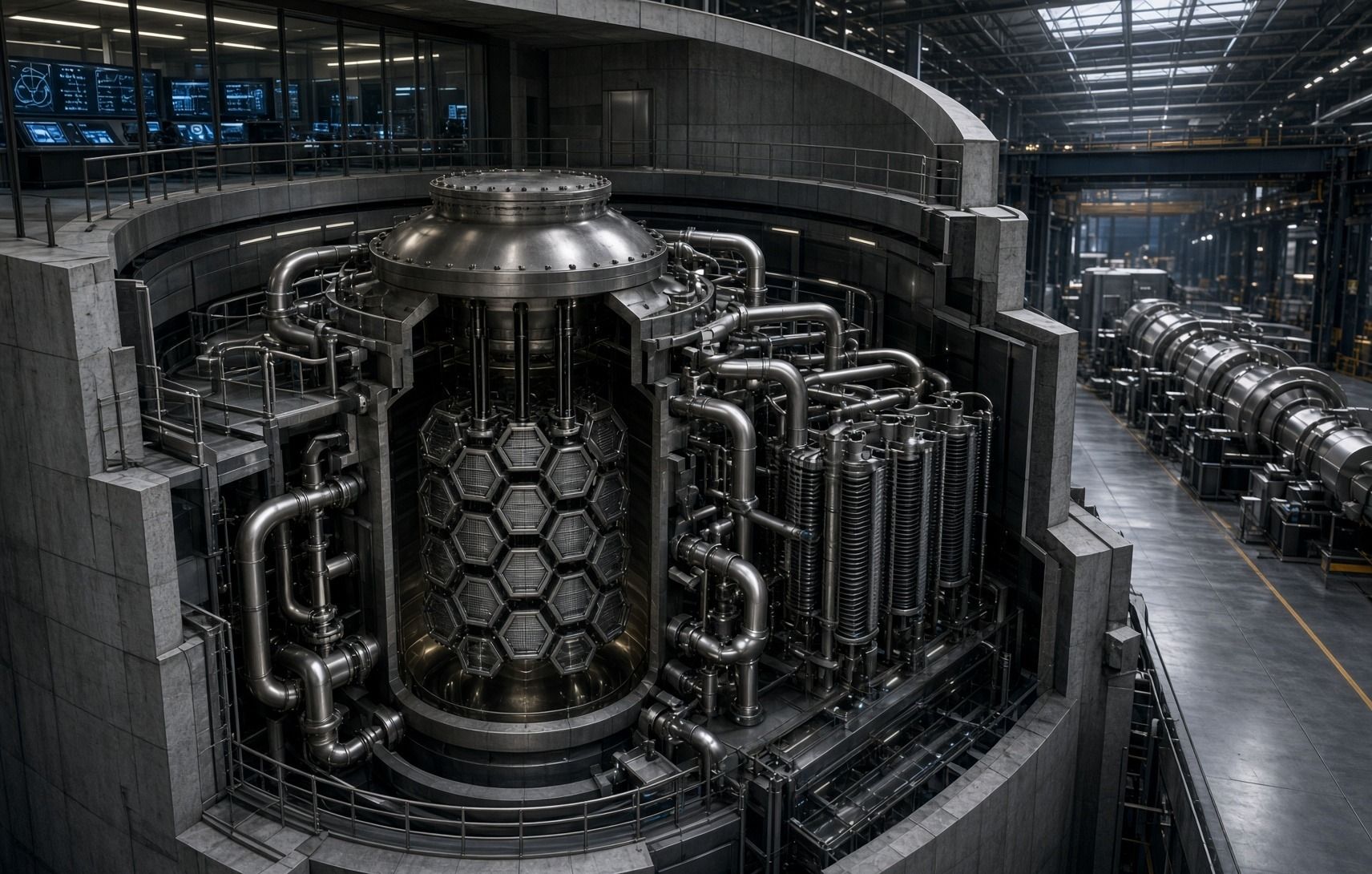
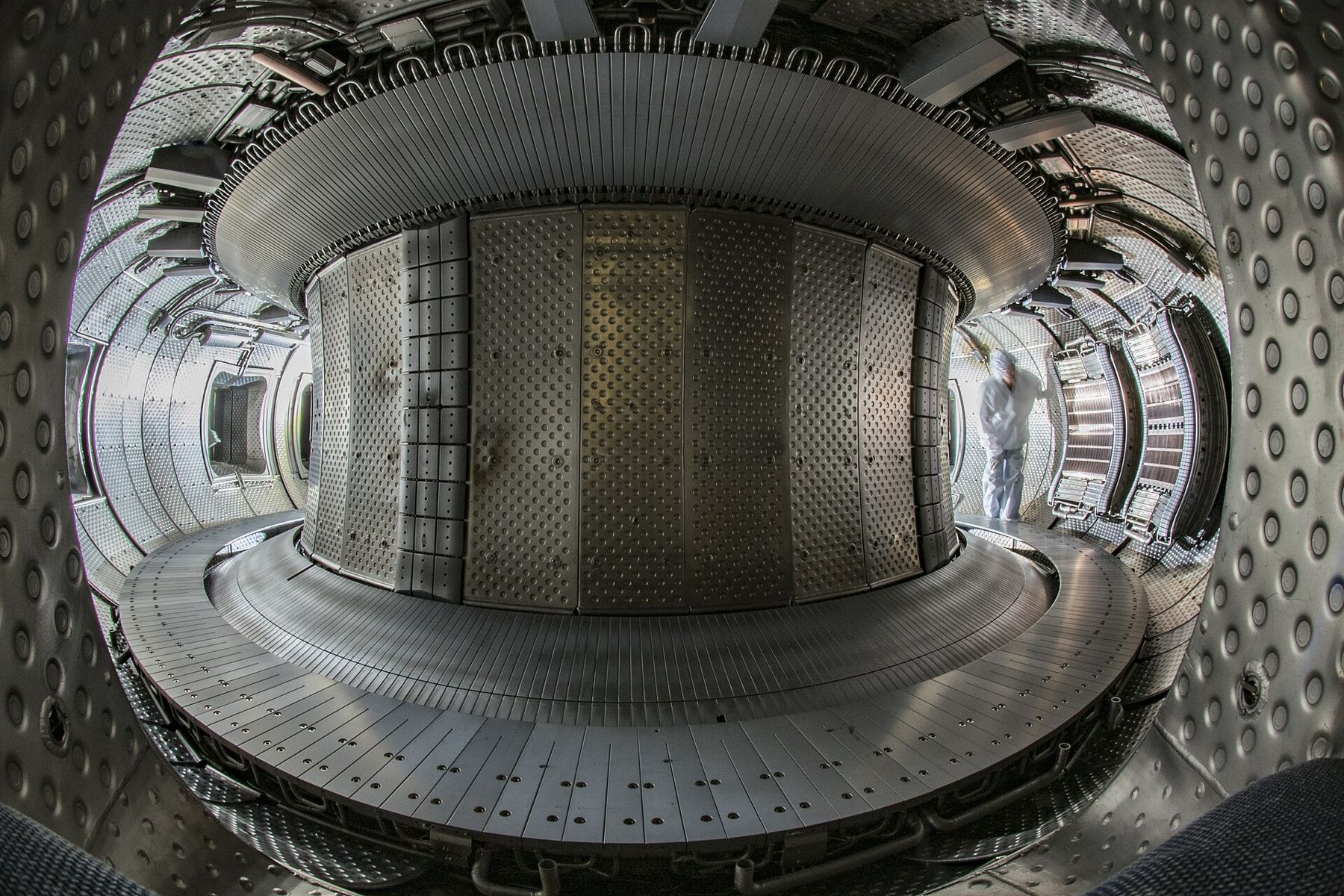
Groups working out the size, field and blanket of a future tokamak.
A tokamak is shaped by trade-offs between machine size, magnetic field, plasma performance and the blanket that surrounds it. Linking plasma equilibrium with neutronics and shielding studies helps a fusion team see how a change in one area affects the others, and settle on a consistent concept earlier in the design.
Steel and heavy industry
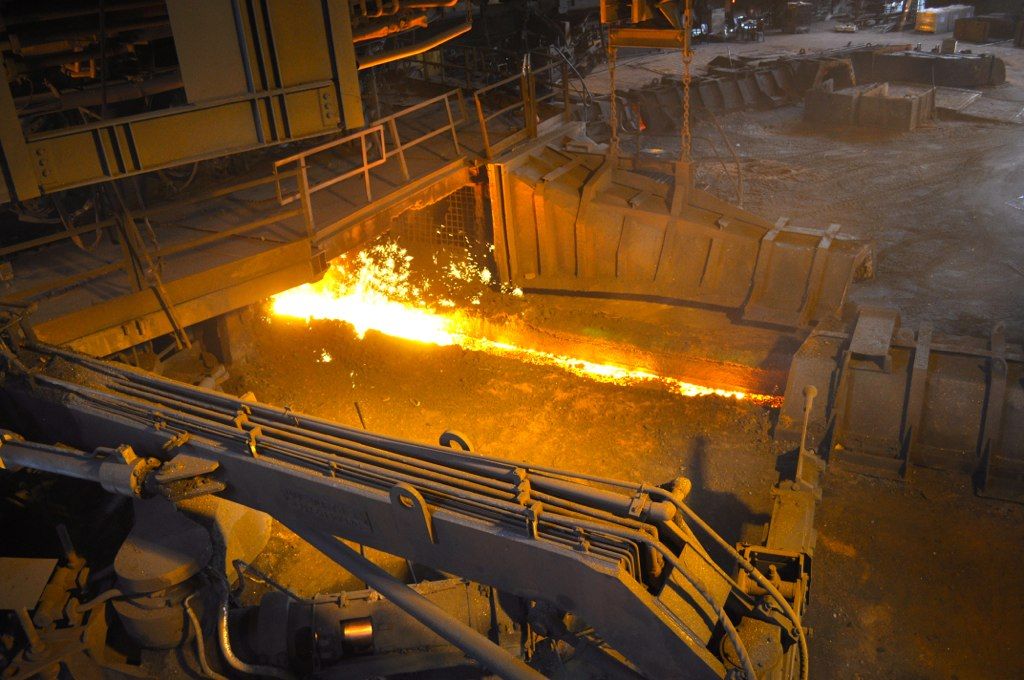
Energy planners looking at reactors as a source of high-temperature heat and hydrogen.
For heavy industry the key figures are heat demand, delivery temperature and reliability. Simulation connects those figures to reactor size, outlet temperature and the number of modules a site would need, which gives energy planners a sound basis for comparing nuclear heat with other sources.
Data centres
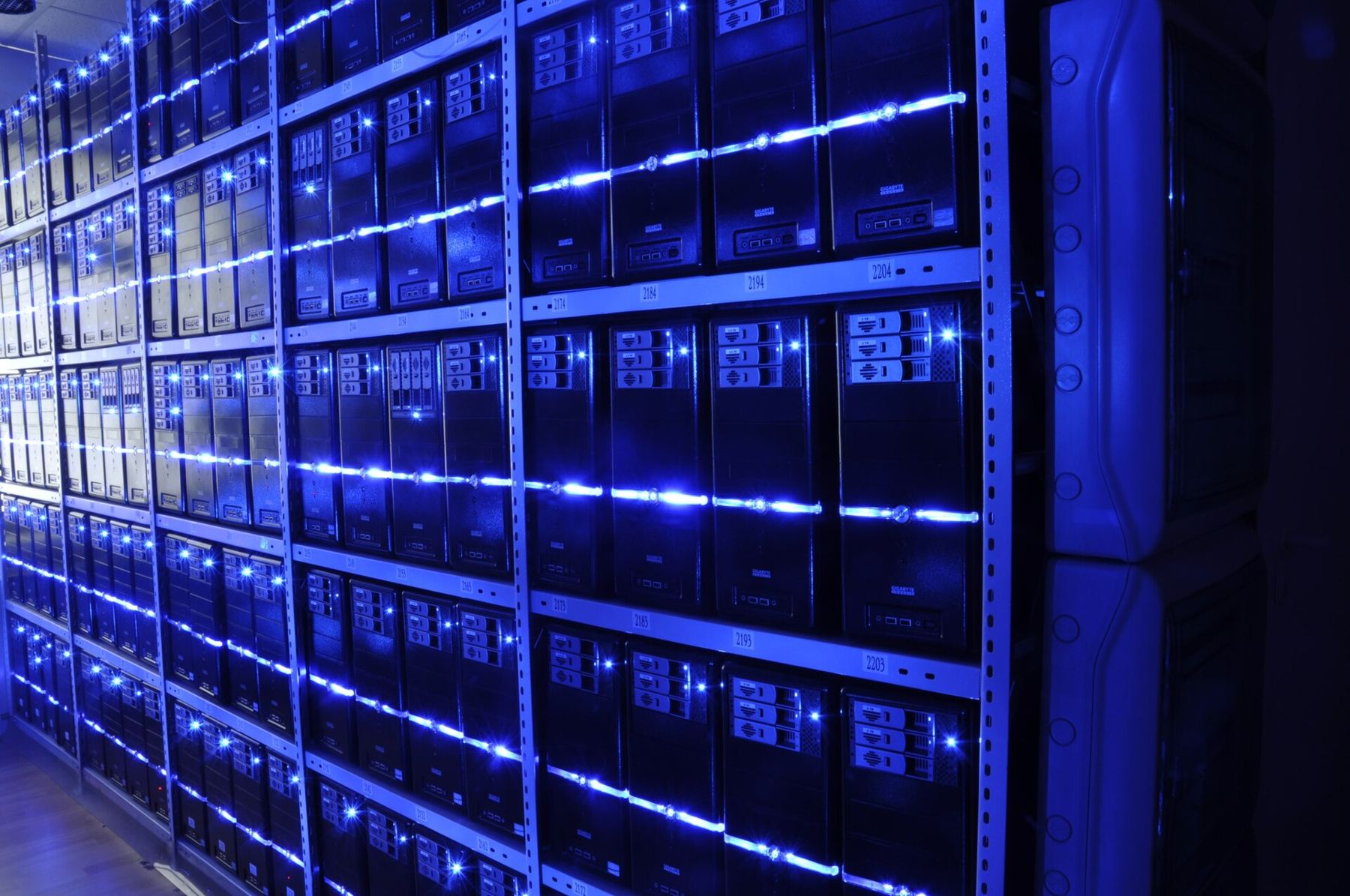
Operators and developers assessing on-site nuclear power for round-the-clock load.
Data centres need large, steady electrical loads delivered around the clock. Simulation helps estimate how many reactor modules a facility would need, how they would share and back up the load, and what shielding and spacing siting next to other buildings would require.
Universities and research
Researchers and students who need repeatable reactor studies without building the tooling themselves.
Research groups value studies that others can repeat and extend. A shared workbench lets students and researchers set up reactor studies quickly, vary one parameter at a time, and keep a complete record of the inputs behind every published result.